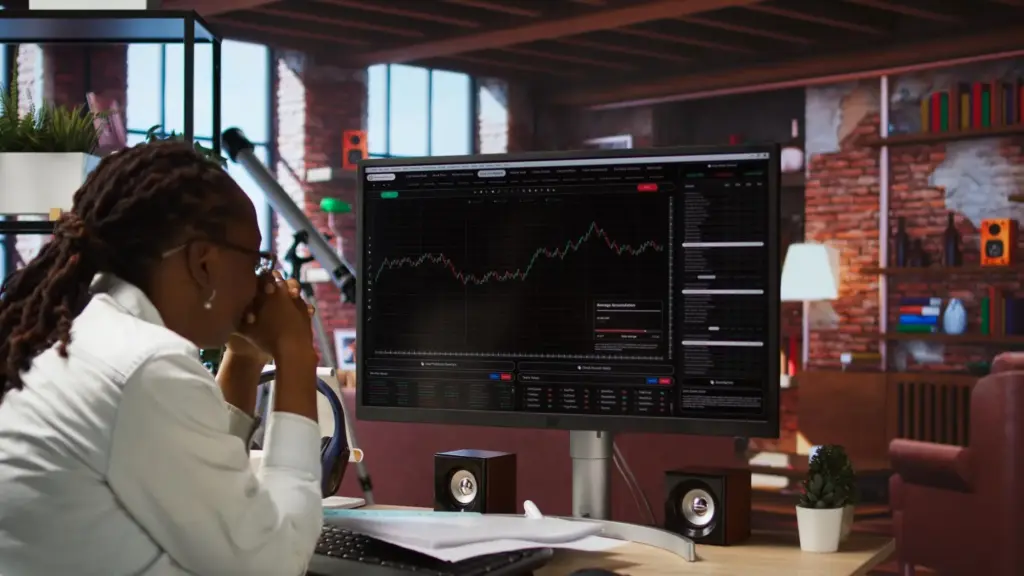
Visual Investment Decision Canvases, From Insight To Action

Welcome to a practical exploration of Visual Investment Decision Canvases—a clear, one-page way to connect research, probabilities, and risk controls. You’ll learn how pictures reduce ambiguity, speed alignment, and anchor discipline. Share questions, request templates, or subscribe to join a community turning analysis into confident, reviewable action.

Seeing Decisions, Not Just Numbers

Decisions improve when minds can literally see drivers, options, and trade-offs at once. A well-structured canvas makes invisible assumptions visible, challenges biases politely, and compresses weeks of memos into a conversation starter. When stakeholders align around a page, speed increases without sacrificing rigor, and accountability becomes natural.

Blueprint Of An Effective Page

Great pages balance breadth and constraint. They show the core claim, supporting evidence, opposing evidence, scenario paths with probabilities, and the operational plan for size, risk, and review. Each box earns its place. Empty boxes signal gaps honestly, encouraging discovery rather than decoration.

Create One In A Day

Gather Inputs That Matter

Begin with the investment question, guardrails, and unavoidable constraints like mandate, liquidity, taxes, or client tolerance. Add base rates, qualitative edges, and immediate disconfirmers. Collect only sources you would defend aloud. Over-collection blurs priorities; disciplined curation sharpens attention where it actually matters.

Lay Out A Readable Flow

Place the thesis and evidence at left, scenarios and probabilities at center, and risk controls with timelines at right. Use consistent icons, short labels, and whitespace. Make it scannable from six feet away. If clarity fails there, your meetings will too.

Stress-Test With Fast Feedback

Run a tabletop read-through with a skeptical colleague. Ask them to circle ambiguities, ungrounded adjectives, and missing triggers. Convert critiques into edits on the spot. Repeat after the first trade check-in. Invitations to comment build ownership, and ownership strengthens discipline under stress.

Field Notes From The Desk

Collaborating Without The Chaos

Shared visuals cut meeting waste and email sprawl. With a single artifact, contributors comment in context, leaders see trade-offs, and compliance tracks changes. Time zones matter less. Decisions document themselves. Transparency scales without tyranny, creating psychological safety and productive debate even under deadlines.

Measure What Improves Decisions

Forecast Calibration That Sticks

Track probability forecasts beside realized paths, then recalibrate using reliability diagrams. Small, frequent, honest scoring beats grand quarterly reviews. Over time, your ranges narrow appropriately, reflexes slow when they should, and credibility rises because confidence begins to match reality more consistently.


Guarding Against Thesis Drift

Schedule periodic comparisons between the original canvas and the latest facts. Highlight every silent change in language or rationale. If the page drifts without triggers firing, conviction may be unearned. Naming drift early protects capital and reputation better than theatrical midcourse heroics.

Learning Loops That Compound

After exits, replay the artifact as a timeline. What truly mattered, what was noise, and what would you do earlier next time? Publish these notes to your team or clients. Invitations to critique encourage replies, subscriptions, and a culture that values learning over bravado.